
What Happened During: Blackout Sumatera, Kementerian ESDM Minta PLN Percepat Pemulihan Listrik
What Happened During Sumatera Blackout: ESDM Ministry Urges PLN to Speed Up Recovery What Happened During the sudden power outage that gripped parts of
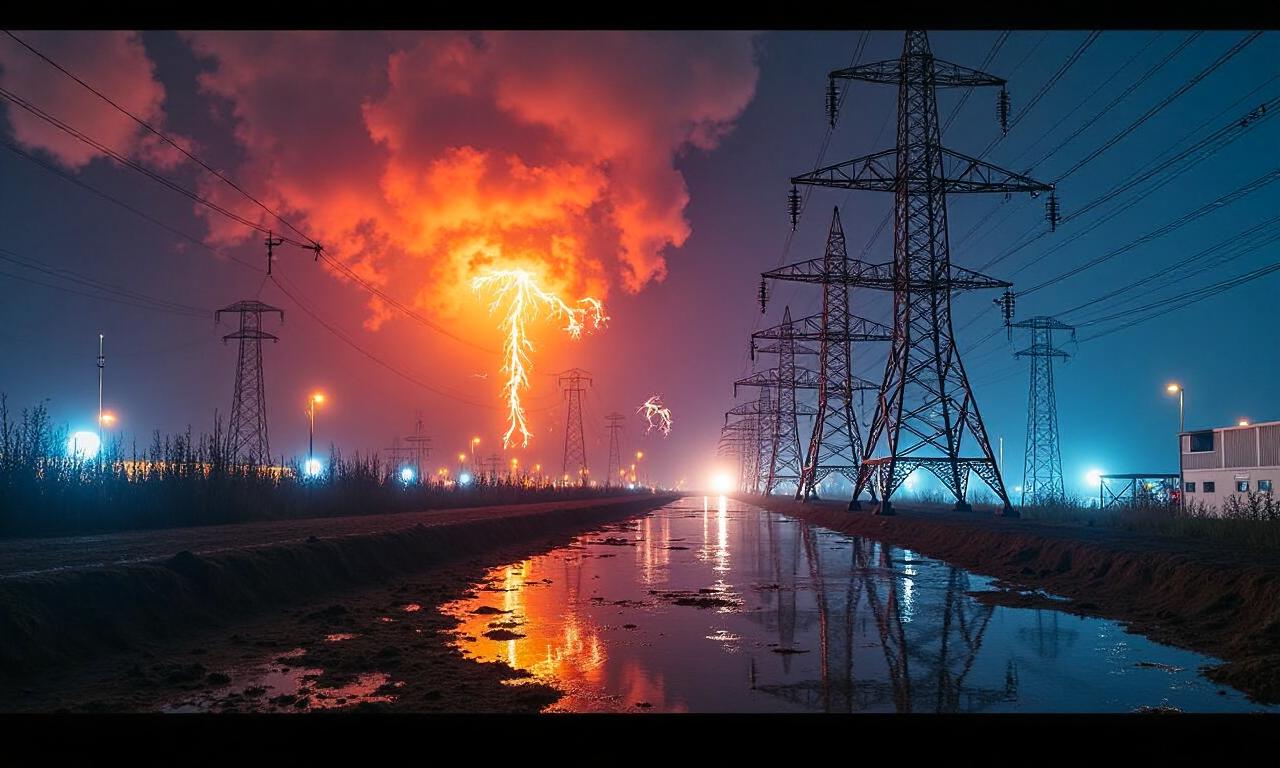
What Happened During Sumatera Blackout: ESDM Ministry Urges PLN to Speed Up Recovery
What Happened During the sudden power outage that gripped parts of Sumatera, the Kementerian Energi dan Sumber Daya Mineral (ESDM) emphasized the urgency for PLN to expedite restoration efforts. The blackout, which disrupted daily life and economic activities, sparked immediate coordination among government agencies and the state-owned electricity company to identify the root causes and implement corrective measures. Officials highlighted the need for thorough investigations to prevent similar incidents in the future, ensuring the reliability of the national power grid.
Coordination and Immediate Response
The government, in collaboration with Kementerian Sekretariat Negara and PLN, has been working tirelessly to address the blackout that occurred on Friday, May 23, 2026. This event underscored the critical role of the power infrastructure in sustaining societal functions. What Happened During the blackout, officials noted, revealed vulnerabilities in the transmission system, particularly in the 275 kV network in Jambi. The disruption had a cascading effect, leading to widespread power cuts across several regions.
“The impact of What Happened During this blackout on communities and industries cannot be overstated. We are closely monitoring the situation to ensure all necessary actions are taken,” stated Wakil Menteri ESDM Yuliot, as reported by Antara.
Meanwhile, Pelaksana Tugas Direktur Jenderal Ketenagalistrikan, Tri Winarno, confirmed that evaluation teams have been deployed to scrutinize the incident. This includes reviewing both technical and operational factors to pinpoint the exact cause of the failure. The focus is not only on fixing the current issue but also on strengthening the power system for long-term resilience.
Technical and Operational Challenges
PLN has been actively working to restore electricity, with efforts concentrated on key transmission lines. The Director General of PLN, Darmawan Prasodjo, acknowledged the challenges faced during the blackout and assured the public that the company is committed to resolving the crisis. “We have mobilized our teams to conduct assessments, restore transmission systems, and gradually restart power generation,” he said, as noted in the latest update.
“The initial disruption was linked to weather conditions that affected the 275 kV transmission lines. This led to a domino effect, causing outages in multiple areas,” explained Darmawan, emphasizing the need for rapid intervention.
As of Saturday evening, significant progress has been made in restoring power. Over 8.5 million customers have been reconnected, and the system capacity has been partially restored to 3,431.21 MW. The 176 transformer stations that were initially impacted are now operating normally. These updates reflect the effectiveness of the coordinated response, though the full recovery remains a priority for authorities.
Long-Term Solutions and Preventive Measures
To prevent future blackouts, Kementerian ESDM has directed PLN to prioritize the development of high-voltage transmission networks, including the 500 kV and 275 kV systems. The ministry also stressed the importance of enhancing blackstart infrastructure, which allows power generation to resume even after a complete blackout. This initiative aims to improve the grid’s ability to withstand unexpected disruptions.
“We must ensure that the power system is robust enough to handle extreme conditions. This includes investing in modern infrastructure and maintaining strict operational protocols,” added Tri Winarno, underscoring the government’s commitment to systemic improvements.
Additionally, the ESDM Ministry has mandated regular audits and simulations to test the resilience of the power grid. These measures are intended to identify potential weaknesses and address them proactively. By doing so, the authorities hope to minimize the risk of prolonged outages and maintain a stable electricity supply for the population.
Community and Economic Impact
The blackout had a profound effect on the communities in Sumatera, particularly in urban and industrial zones. Businesses were forced to halt operations, disrupting supply chains and causing financial losses. Schools and hospitals also faced challenges, with some areas reporting extended power outages that impacted essential services. What Happened During this period highlighted the interdependence of the power system with daily activities, urging a more integrated approach to energy management.
“The blackout affected not only households but also critical sectors like healthcare and education. We are working to ensure that these sectors are prioritized in our recovery plan,” said Yuliot, emphasizing the socio-economic implications.
Residents expressed frustration over the lack of communication during the outage, with many calling for more transparent updates. The ESDM Ministry and PLN have since taken steps to improve information dissemination, aiming to build public trust and preparedness for future incidents. These efforts are part of a broader strategy to enhance the reliability and efficiency of the power supply in Sumatera.
Looking Ahead: Strengthening the Grid
As the situation stabilizes, the focus is shifting toward long-term solutions. PLN has committed to investing in new technologies and upgrading existing infrastructure to prevent similar outages. This includes expanding the use of smart grids and incorporating renewable energy sources into the power mix. The ESDM Ministry has also announced plans to increase the number of backup generators and improve maintenance schedules for critical components of the electricity network.
“We are not just repairing what What Happened During the blackout; we are rebuilding a more resilient system. This requires collaboration, innovation, and consistent monitoring,” remarked Tri Winarno, outlining the path forward.
Experts suggest that the incident serves as a wake-up call for the energy sector to adopt a more proactive stance in managing risks. By addressing the root causes and implementing preventive measures, the government and PLN aim to restore confidence in the power supply and ensure that Sumatera remains a key region in Indonesia’s energy landscape.